Education
Ring Settings Explained: Solitaire, Halo, Three-Stone, Bezel & Pavé
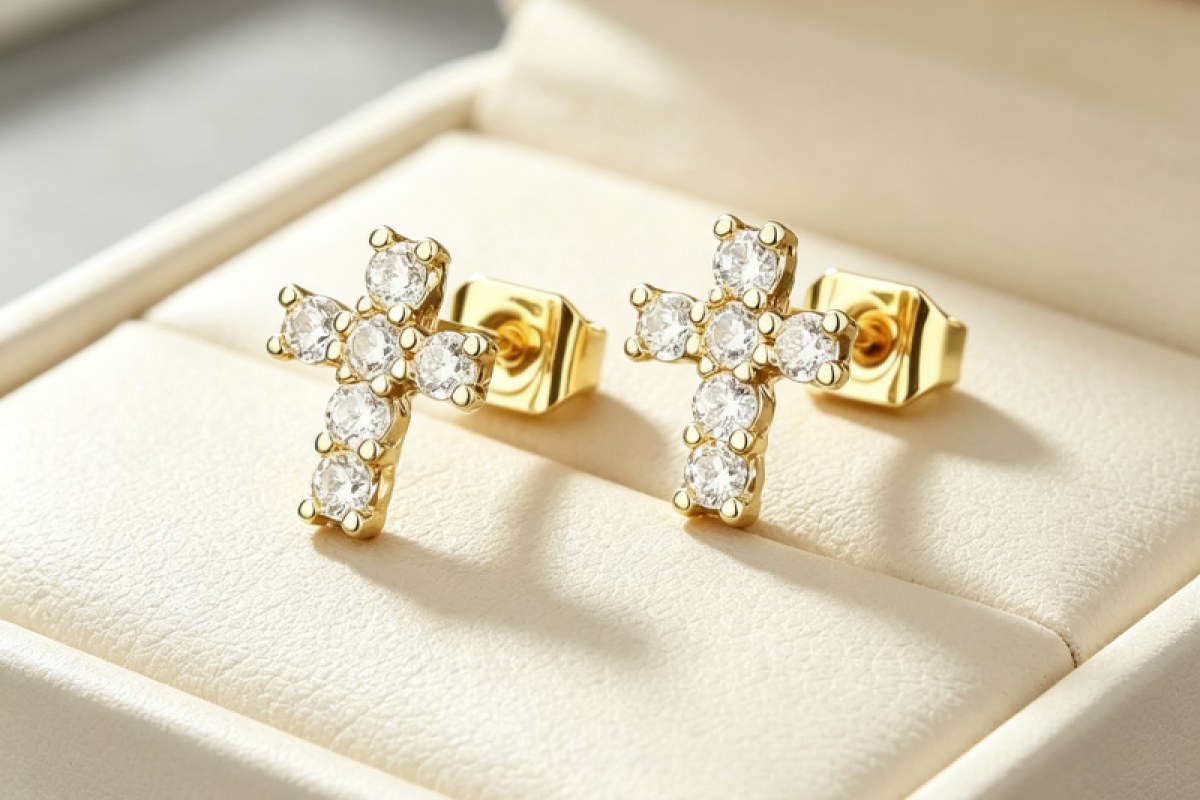
The setting decides how big the stone looks, how protected it is, and how much of your budget goes into metal and labour.
Solitaire
One stone, one plain band, four or six prongs. Timeless, the least expensive to make, and the setting that shows off the stone with nothing competing.
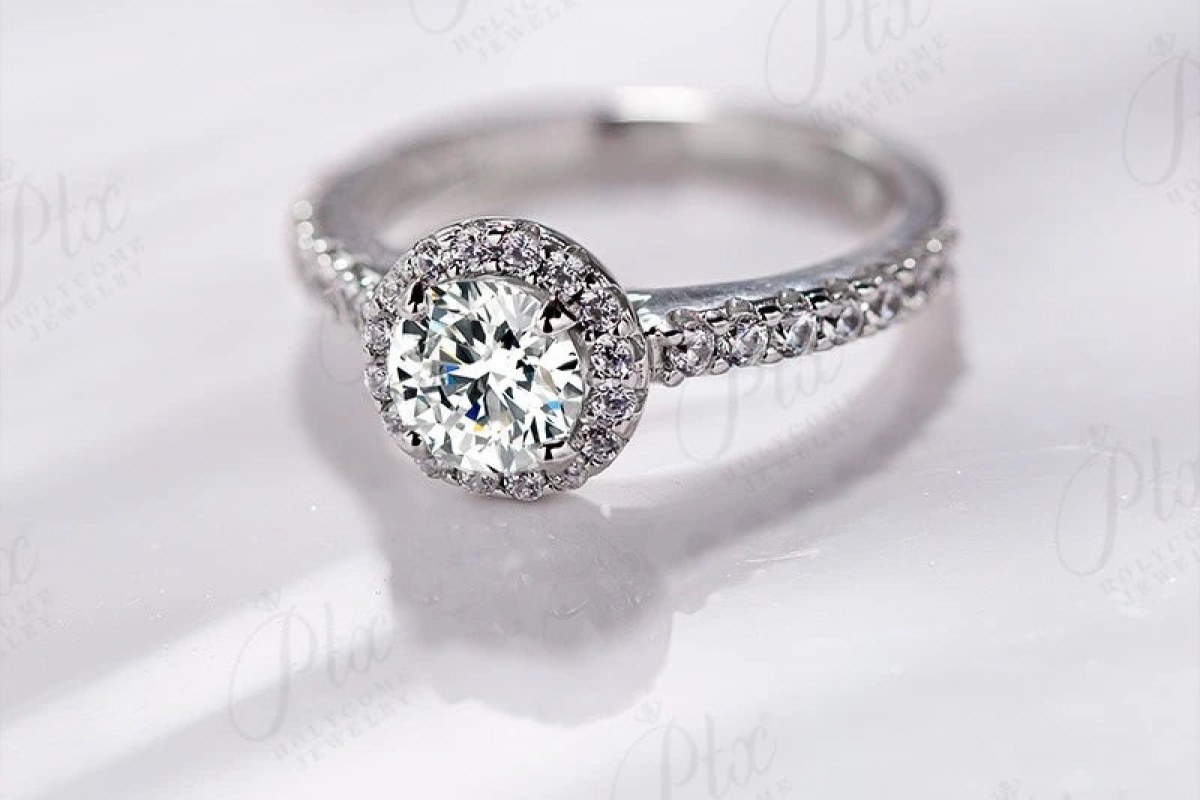
Halo
A ring of small stones encircling the centre. This is the most effective way to make a stone look bigger — a 0.7ct centre in a halo can read like a full carat.
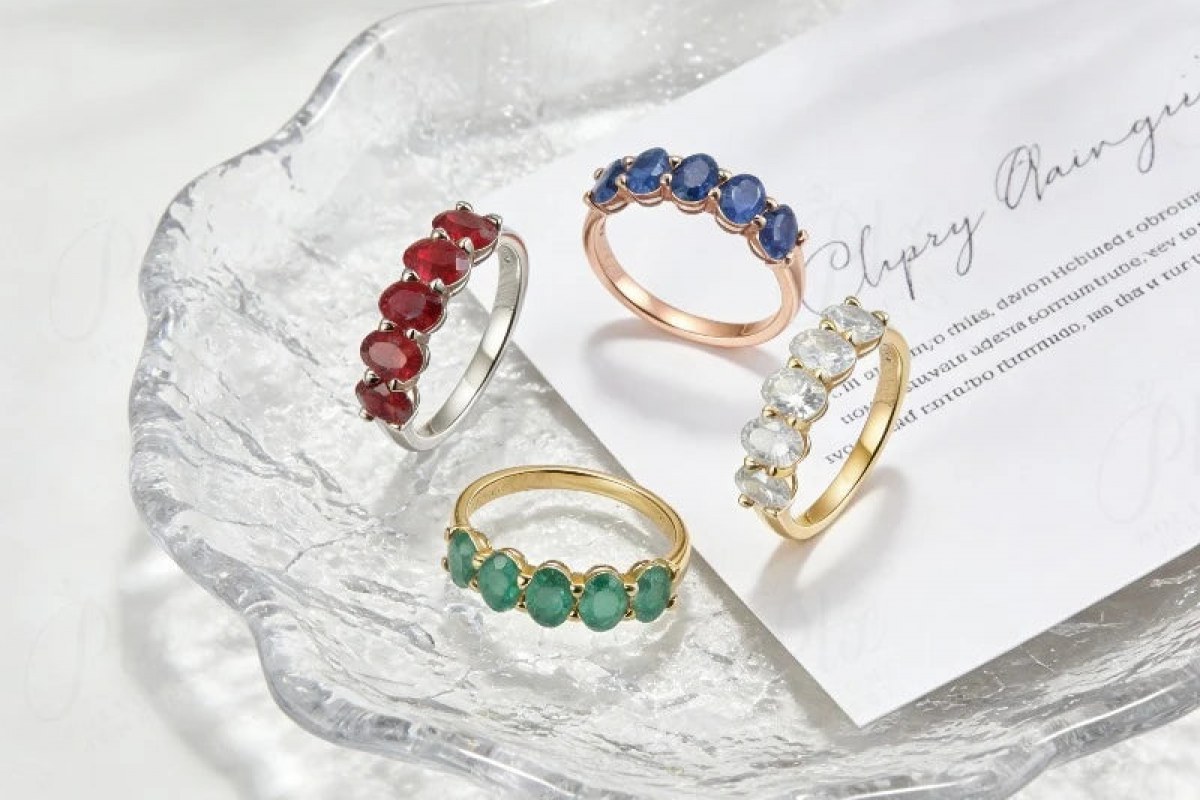
Three-stone
Past, present and future; also the best way to add finger coverage without a huge centre stone. Usually the two side stones are 40–50% of the centre.
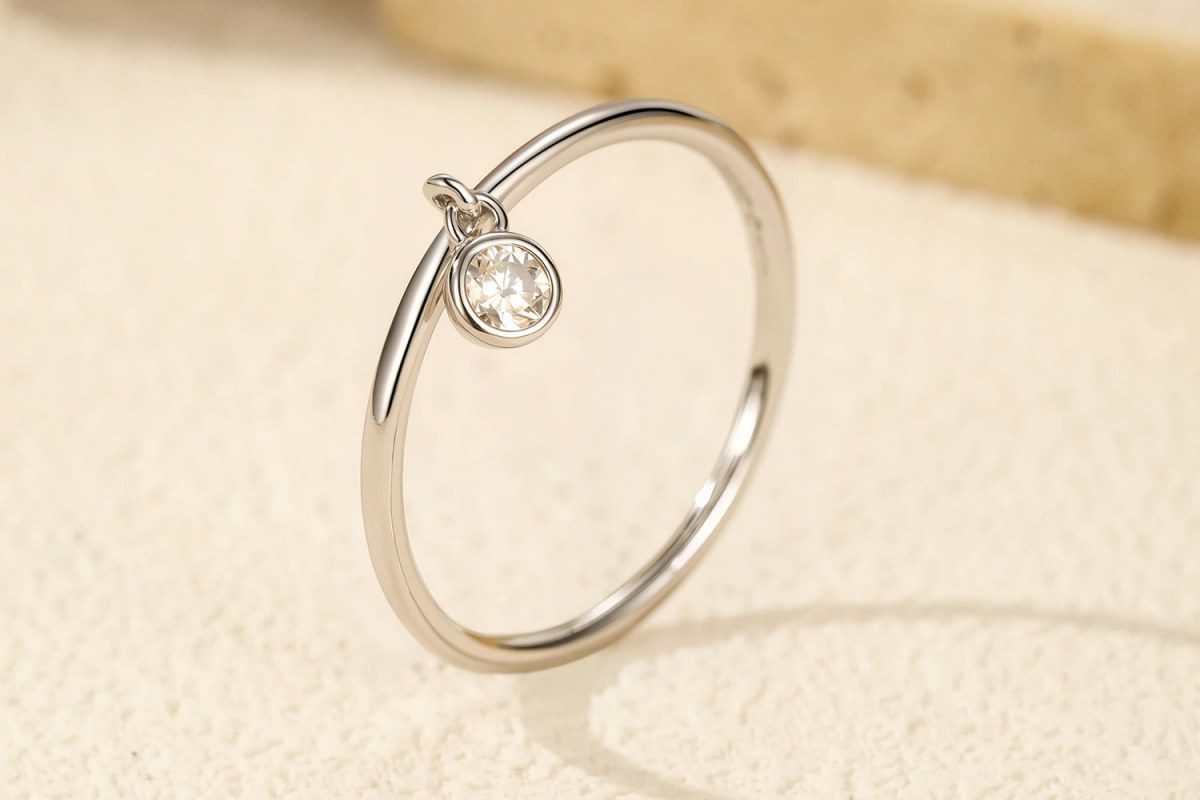
Bezel
A metal rim encircles the stone completely. The most protective setting — recommended for anyone hard on their hands, and for softer stones like emerald.
Pavé and channel
Pavé sets tiny stones tightly along the band for continuous sparkle. Channel sets them between two metal rails — cleaner and more secure, with less sparkle.
Which to choose
Solitaire for timeless, halo for size, three-stone for meaning, bezel for durability, pavé for extra sparkle. Every one is available in our moissanite collection.
Written By
Holycome Team
Gemologists and setters at our own workshop. We have been cutting moissanite and lab grown stones since 2013.